

What is violent extremism?
We define violent extremism as the choice individuals make to use or support violence to advance a cause based on exclusionary group identities. The particular identity of the perpetrator of violence does not determine what constitutes violent extremism, nor does the nature of the ideology, even if that ideology may be considered radical by many. Rather, violent extremism relates to an individual or group’s violent advancement of an exclusionary ideology, which seeks to eliminate the ‘other’ group, culture, or identity.
Over the last 15-20 years, we have seen many predominantly-military approaches used to address symptoms, rather than the drivers of violent extremism. In many cases, these actions have aggravated tensions and triggered more support for violent extremism, such as when they led to human rights abuses or stigmatizing an entire identity group based on the actions of a small fraction of their members. These actions can further augment the appeal of violent extremist movements by justifying their own narrative of grievances and power relations.
Transforming Violent Extremism Resources

From Conflict to Coexistance – COMITAS II Success Stories

Cross Border Assessment Summary – April 2024 – Daraja la Amani/Pontes de Paz Project

‘They Come for Us First’: The Women Bearing Witness to Sudan’s Genocide

Daraja la Amani | Pontes de Paz
“SHE – The Peacebuilder” – Women Inclusion in Transforming Violent Extremism

CODED – Community-Grounded Programs to Disengage Violent Extremism Offenders

“ADALCI” (Fairness): Strengthening Access to Justice

Transforming Violent Extremism – Tanzania

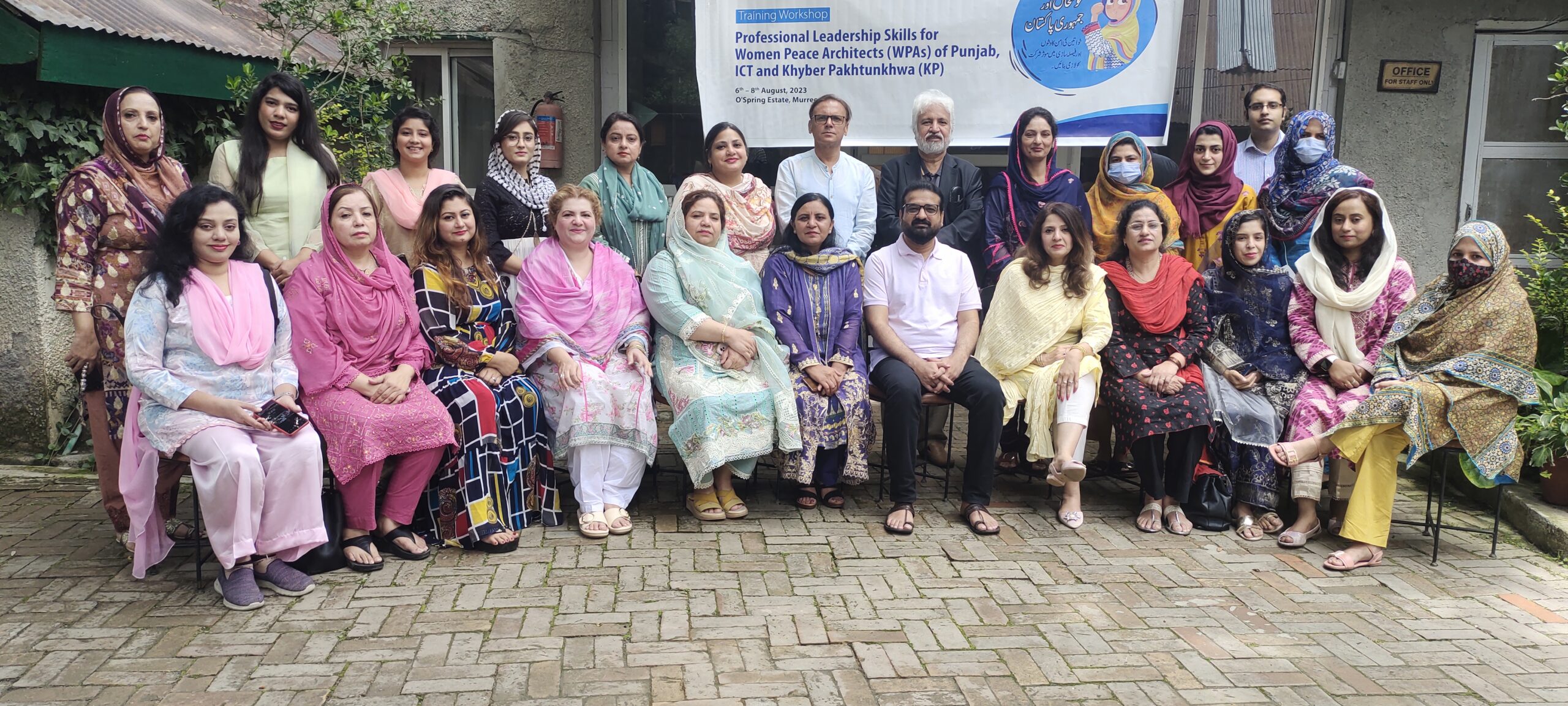
Transforming Violent Extremism for Women Peace Architects in Pakistan – 2023

Greater Lake Chad Strategy 2021–2031