

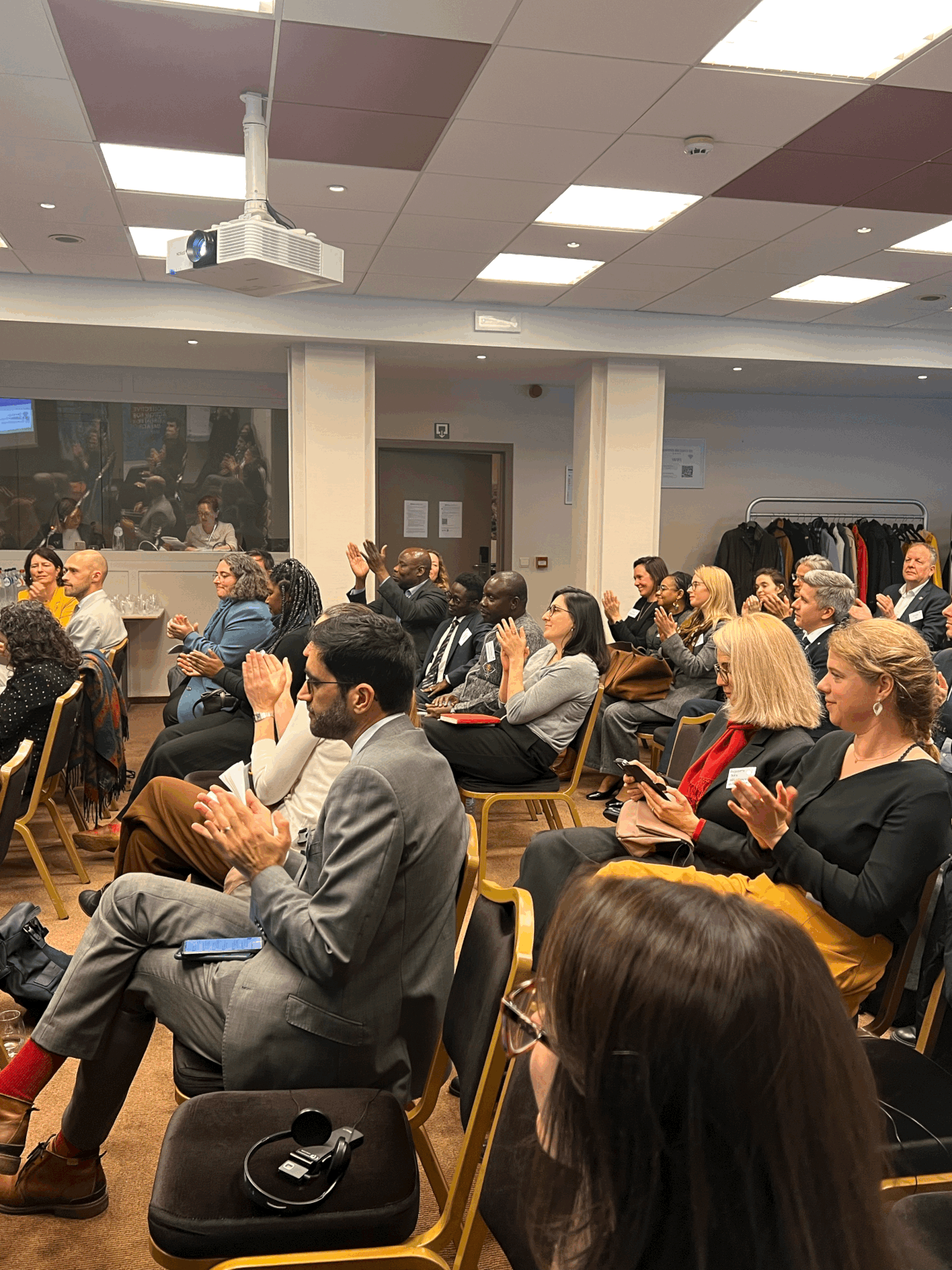
With violent conflict at an all-time high and funding at an all-time low, the world is searching for ways to adapt strategies to respond to, prevent, and transform conflict. In light of this trend, Search for Common Ground and the European Think Tanks Group organised in Brussels the event: (Dis-)integrating peace: How can the EU better engage in conflict-affected states?”
Drawing on first-hand insights from practitioners and researchers in Afghanistan, Burkina Faso, the Democratic Republic of Congo, and Mali, discussions explored key challenges, potential for conflict transformation, opportunities, and recommendations to lay the ground for an optimised EU approach in fragile and conflict-affected states.
To strengthen its role in conflict-affected states, the EU must focus on the following pillars:
- Framework: Adopt a coherent approach to conflict and fragility that supports inclusive, locally-led peace efforts. To reduce humanitarian needs, we must shift from crisis response to long-term conflict transformation, leveraging the EU’s full political and institutional influence.
- People: Maintain a strong presence in conflict-affected areas and strengthen accountability through equitable partnerships with local actors—the true first responders and long-term change-makers.
- Funding: Ensure long-term, flexible funding that adapts to complex conflict settings, with strong impact monitoring.
Read the outcome document of the event, containing a summary of the discussion around key challenges, opportunities, and recommendations to further improve the EU’s engagement in conflict-affected states and peace below:
Subscribe to our blog
Receive an email whenever a new blog post is published.

