

In Mukoni, northeastern Burundi, a group of women gathers next to a small shed.
They come to listen. To a radio program. To each other. To stories of women like them turning local skills into something more.
And slowly, something that had been forgotten began to come back.
Basket and bowl weaving has long been part of this region’s heritage — passed down through generations, then quietly faded. It continued occasionally within households, but it wasn’t seen as a meaningful source of income.
Until a group of women defied expectations.
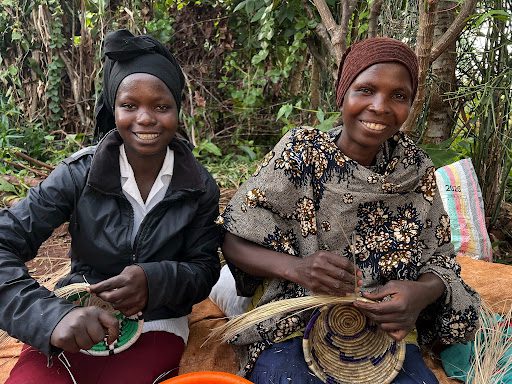
Jeanine and her daughter Adelphine now sit side by side at every gathering, weaving strands of natural fiber into baskets. Around them, other women work. Silence alternates with conversation. Knowledge moves between generations.
“It’s nice to share this with the younger generation,” Jeanine says.
Adelphine smiles. “And besides weaving, I also got practical advice from the other women. What role I should take on as a woman in the household. And how I certainly also have the right to work and earn my own money.”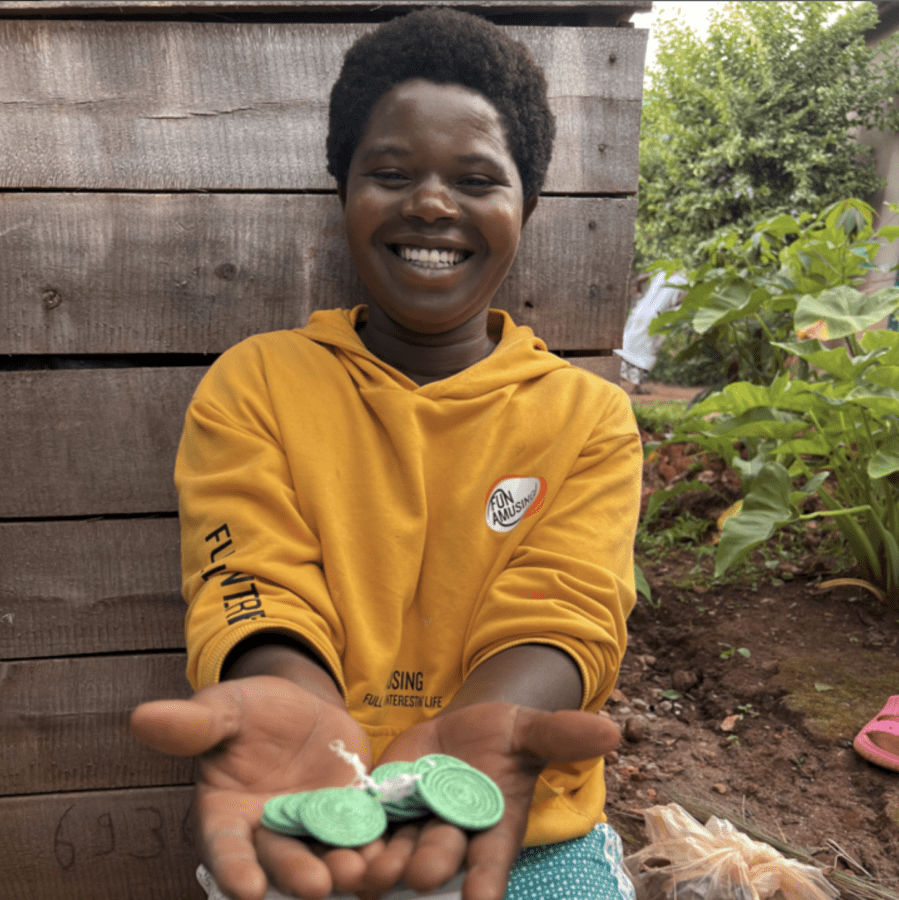
That last part matters even more than the baskets.
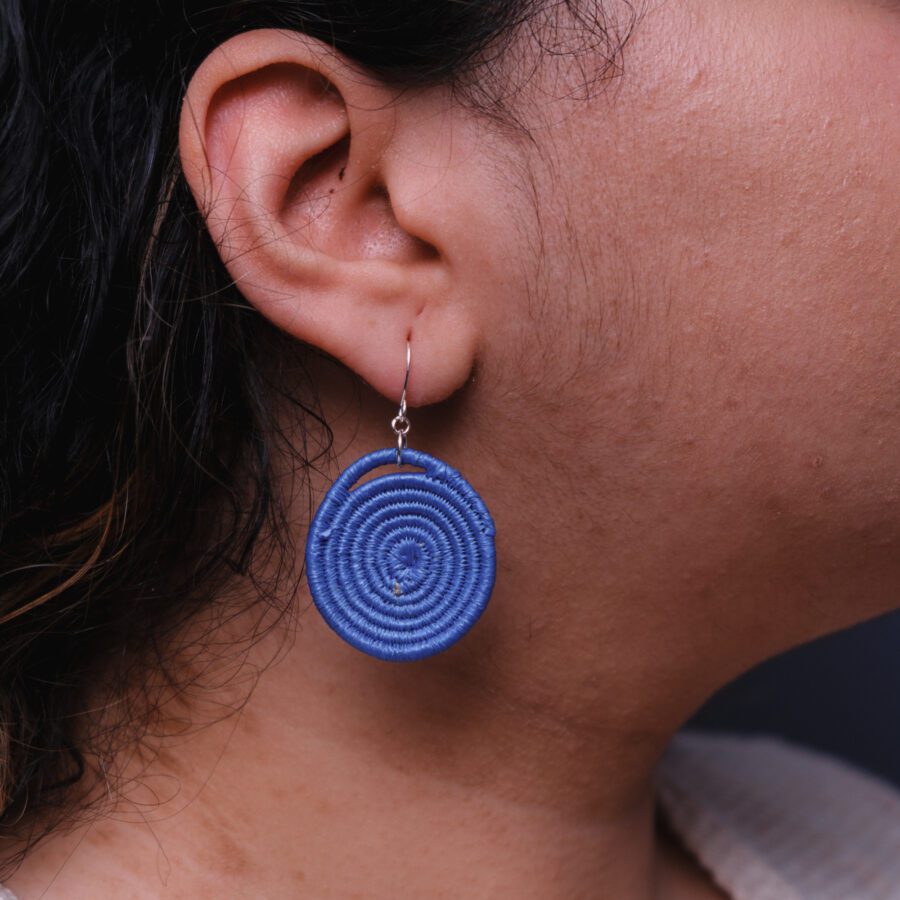
What began with weaving grew into placemats, household items, and earrings. Income that gets reinvested into goats and rabbits, new sources of stability layered on top of the first. Confidence that compounds the same way.
Because economic empowerment doesn’t just change what women earn.
It changes what they believe they’re entitled to.
As Isabelle, another member of the group, puts it: “For me, peace means that I am free and no one is stopping me from making my dreams come true.”
The skills were always there.
They just needed the space — and each other — to bring them back.
Shop the Burundi Earrings Collection
Subscribe to our blog
Receive an email whenever a new blog post is published.
