
In times of growing geopolitical competition and a struggling multilateral system, insider mediation can provide a promising avenue to prevent, manage, and resolve conflicts by involving trusted local personalities, such as civic, social, religious, or political leaders, in local, national and international peace efforts.
This approach relies on the influence, legitimacy and knowledge of the individuals who are themselves an intrinsic part of the conflict context. As such, they can engage rapidly and directly with disputing parties from across social divides beyond the reach of international and regional mediation actors.
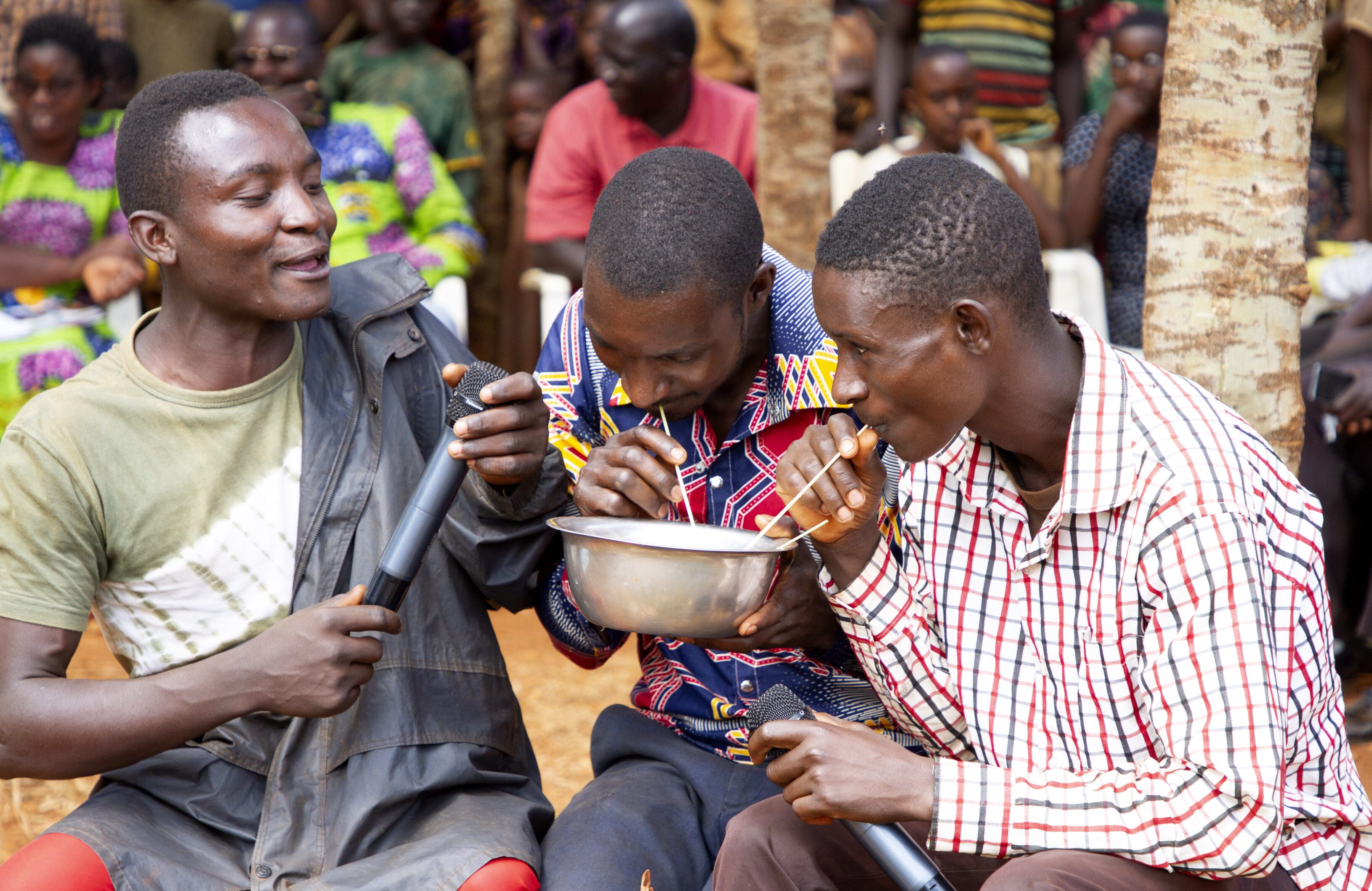
Throughout the past decade, Search has trained mediators around the world and helped them to resolve thousands of conflicts, including in Niger, Tanzania, Madagascar, South Sudan, Burundi, the Democratic Republic of the Congo, and Rwanda. These local peacebuilders come from a wide array of backgrounds, allowing them to address a wide variety of conflicts, including between farmers and herders, youth and security forces, refugees and host populations, or among different ethnic communities.
If you want to learn more about insider mediators and how Search is working with them to build sustainable peace, below are some key resources and examples of our projects throughout the world.
BUILDING PEACE FROM THE INSIDE – PHASE 2
“Mediation has changed my life and that of my family. After what happened to my cousin, I saw the herders as the enemy. And today, they have become brothers. Those violent confrontations are behind us. I know that it is now possible for all of us to live together.”
– Youssey, Insider Mediator from Niger
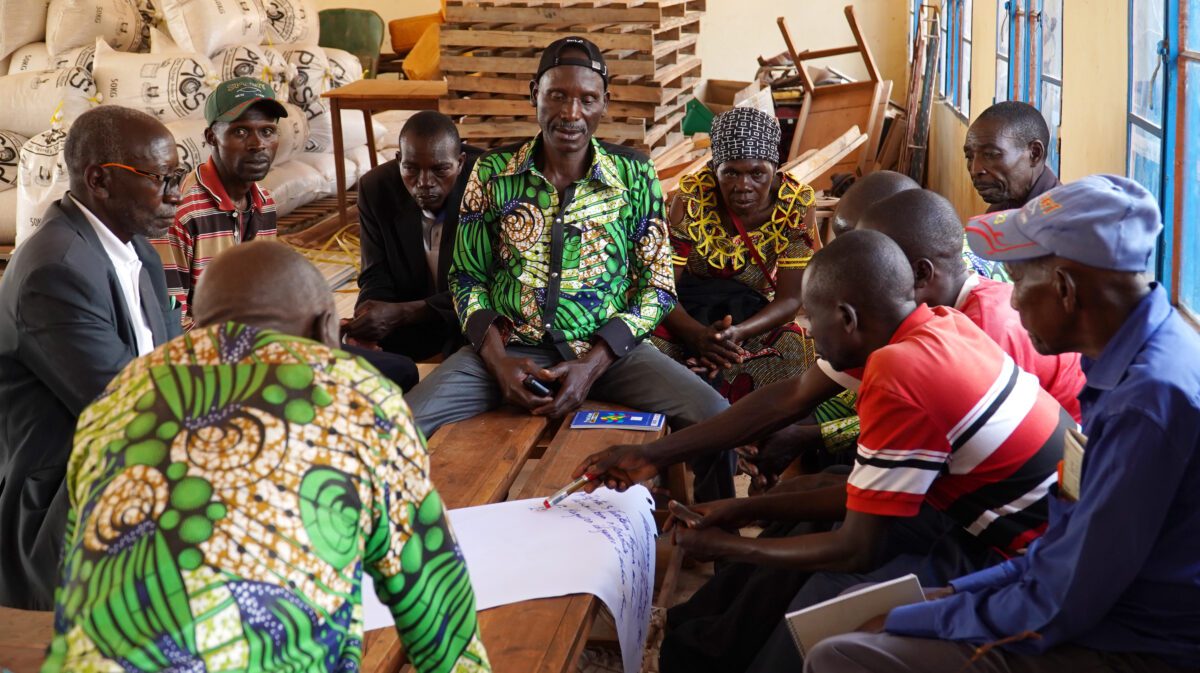
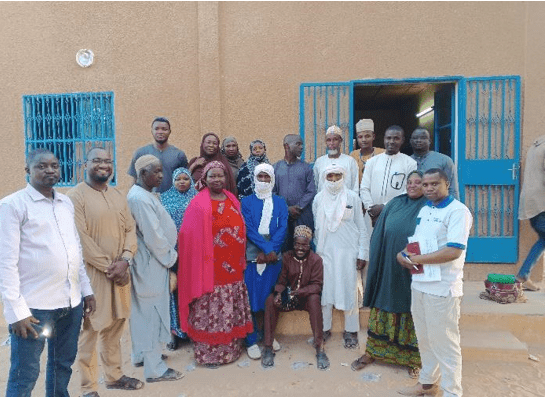
In communities facing violence and instability, those closest to the conflict often hold the greatest potential for peace. Building Peace from the Inside was a 24-month initiative that supported locally rooted peacebuilders—known as insider mediators—to prevent and transform violent conflict in Burundi, Niger, and Zimbabwe.
Funded by the European Union and implemented in consortium by Search for Common Ground, Berghof Foundation, Interpeace, Africa University’s Institute of Peace Leadership and Governance (IPLG) and Centre d’Alerte et de Prévention des Conflits (CENAP) the project strengthened insider mediation as a recognized and effective approach to conflict resolution at local, national, and international levels.
This second phase built on the success of the first (2020–2022), deepening partnerships and expanding the reach of training and support. Over two years, the consortium trained and accompanied 321 insider mediators who intervened in over a hundred local conflicts. Of those, 81 conflicts resulted in full mediated agreements, helping communities move toward lasting peace.
The impact has been both tangible and transformative. In the areas where insider mediators were active, 95% of key stakeholders reported decreased tensions, and violent incidents dropped by 50%, from a baseline of 446 to 221. Additionally, 100% of surveyed beneficiaries expressed satisfaction with mediation services, reflecting a growing public trust in insider mediators as credible, effective actors for peace. A Social Return on Investment (SROI) analysis confirmed the project’s high cost-effectiveness, underscoring the value of investing in locally led mediation mechanisms.
Impact of the Building Peace from the Inside Phase 2 Project
95%
of key stakeholders reported decreased tensions
50%
the number by which violent incidents fell
100%
of surveyed beneficiaries expressed satisfaction with mediation services
The initiative also sparked positive ripple effects, including increased demand for insider mediators beyond project areas, strengthened collaboration with local authorities, and the emergence of peer support networks among mediators themselves.
The success of insider mediators in resolving local tensions highlights their unique legitimacy and effectiveness.
The project identified several key recommendations to build on these results and expand insider mediator’s impact:
-
Donors should continue investing in Insider Mediators, whose work measurably reduces violence and rebuilds trust at the community level.
-
Support must be defined locally, responding to the specific needs of conflict-affected communities and the mediators themselves.
-
Social participation should be intentionally integrated, recognizing the added barriers faced by women and youth mediators.
-
Insider mediation networks should be expanded and institutionalized to enable peer learning, solidarity, and sustained local ownership—while also strengthening connections to national and international peace processes.
-
Mental health and psychosocial support must be built into training and accompaniment for Insider Mediators, who often carry the emotional burden of frontline peace work.
The project has significantly contributed to more effective and sustainable approaches to conflict transformation. As momentum continues to build, the lessons and partnerships forged through this initiative offer a powerful foundation for further institutionalizing insider mediation as a core strategy for peace.
More about this project
OTHER INSIDER MEDIATOR PROJECTS
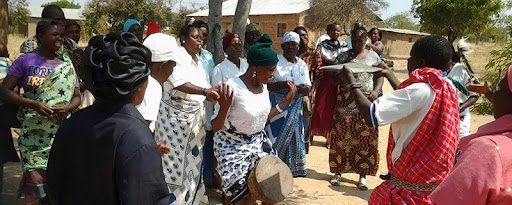
Tanzania
- Jenga Amani Yetu: Building Peace Building Communities in Tanzania (2020-2022).
- Strengthening Community Peace Mechanisms in Zanzibar (2016-2018).
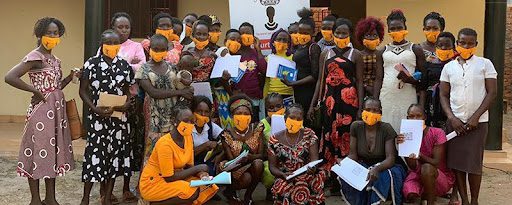
South Sudan
- The Women Peacebuilders who are Reshaping South Sudan – Young Women’s Participation in Local and National Peace Processes in S.Sudan (2019-2021).

Burundi, the Democratic Republic of the Congo, and Rwanda
- Terre D’entente: Citizen Participation in Land Mediation in the Great Lakes – Strengthening Citizen Participation on Critical Social Issues GLR (2012-2017).
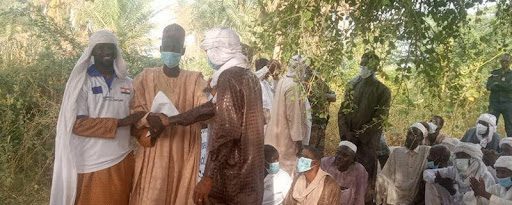
Niger, Zimbabwe, and Burundi
- Building Peace from the Inside (Phase 1): Supporting Insider Mediation for Sustainable Transformation of Conflict (2020-2022).
Reports
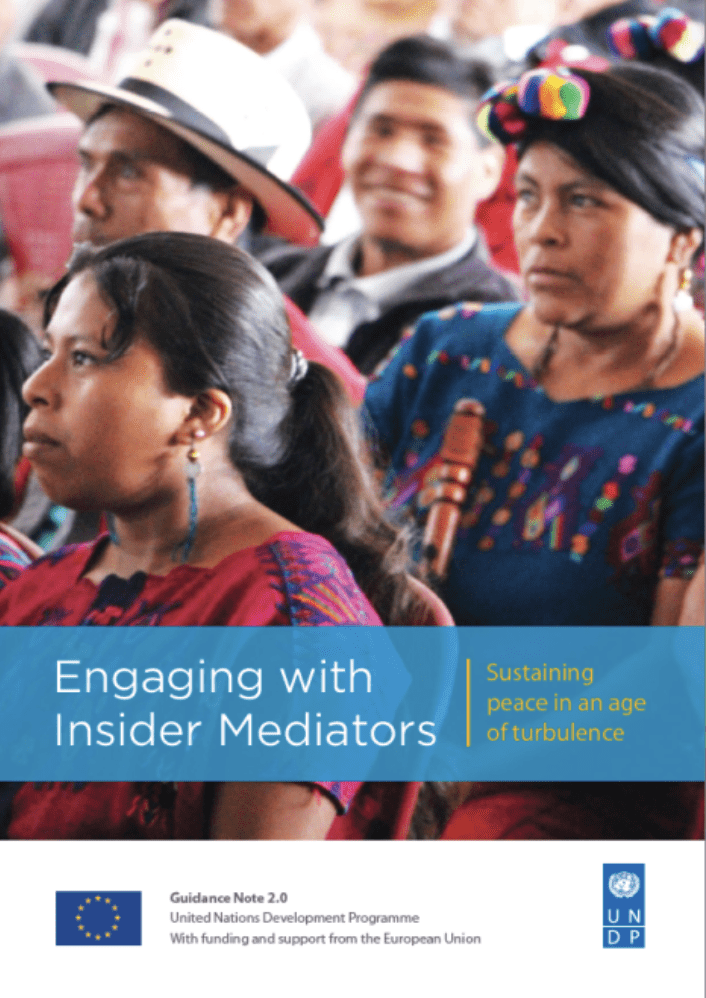
Engaging with Insider Mediators – Sustaining peace in an age of turbulence
Read the report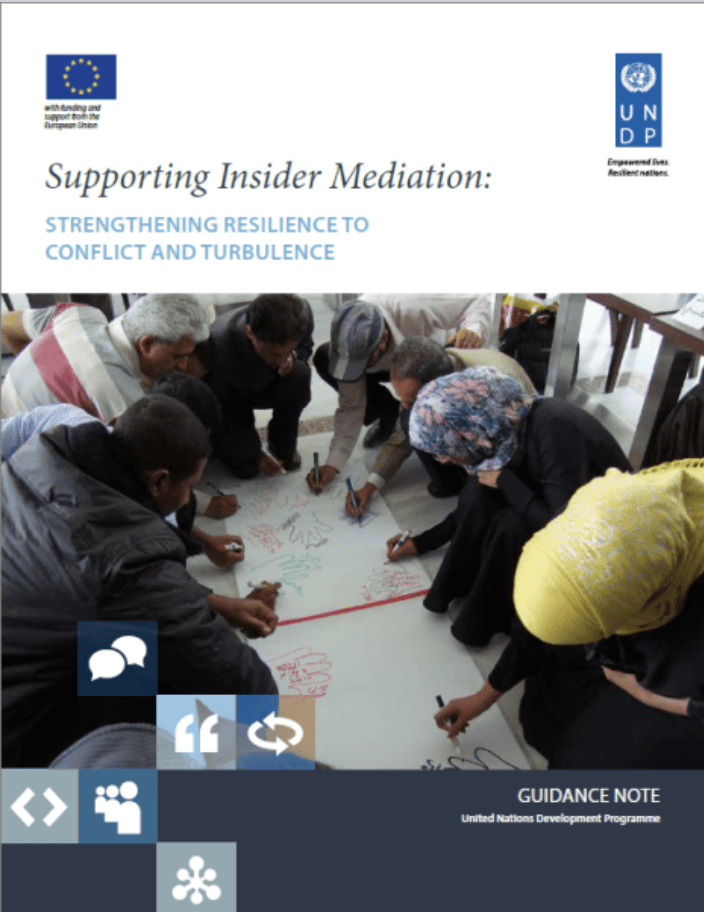
Supporting Insider Mediation: Strengthening Resilience to Conflict and Turbulence
Read the report