
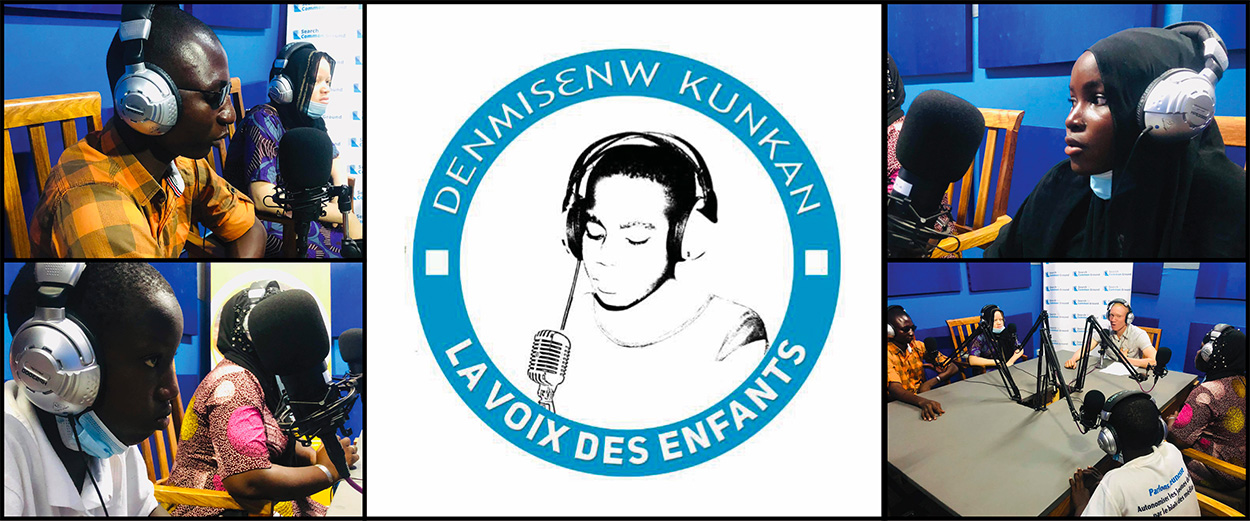
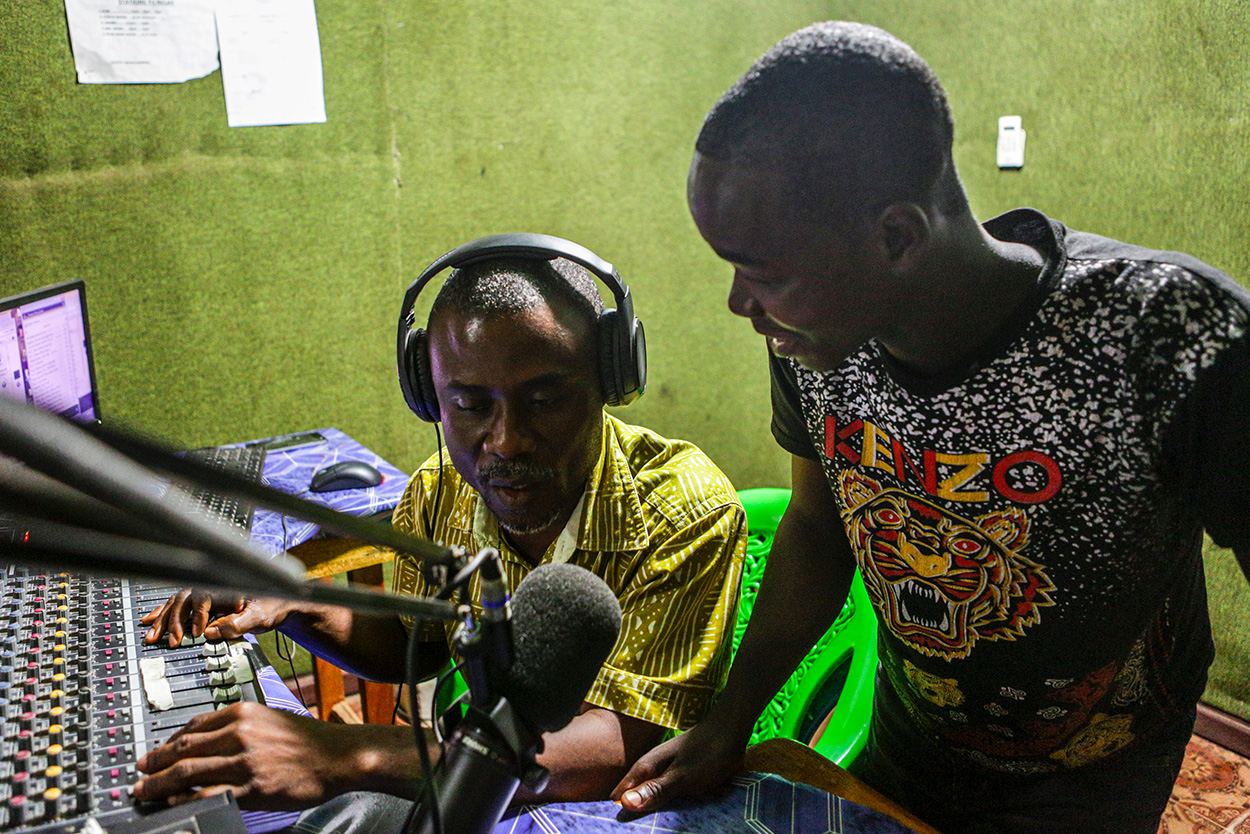
MALI: Launch of our first radio broadcasts as part of the “Youth Talk” project.
“This project will allow me to gain new knowledge and talk about the rights of disabled people who suffer a lot in Mali.” – Abel, 17, visually impaired.
In Mali, 83% of the population listens to the radio. However, only 43% of young people consider that they have the opportunity to express themselves through existing communication channels.
Today, things are changing. Through our regional “Youth Talk” project, young people in Mali, South Sudan, and the Central African Republic are making their voices heard in their communities. Trained in the production and facilitation of interactive radio programs, they are addressing the burning social and political issues in their respective countries.
This month, in the heart of Mali’s vibrant capital, young journalists from all walks of life hosted their first radio shows. On-air, they tackled a variety of subjects such as the conflict following the recent legislative elections and the concrete actions to prevent the coronavirus spread.
“People don’t respect the measures imposed by the authorities because of the rumors circulating that COVID-19 disease is a lie. We need to convince people of its existence through the testimonies of those affected. Without this prior step, any prevention effort will be a waste of time,” concludes Abel.
Follow our young journalists on Facebook: Mali, South Soudan, and the Central African Republic.
NIGERIA: Reinforcing social cohesion with online tools during Covid-19.
To turn what may at first glance, appear to be a challenge into a new opportunity? That is our vocation.
Just as conflict allows us to seek solutions that benefit everyone, COVID-19 enables us to think outside the box. Above all, it provides us the chance to explore new ways of bringing people together. In Nigeria, our teams have taken advantage of this momentum of innovation through digital tools.
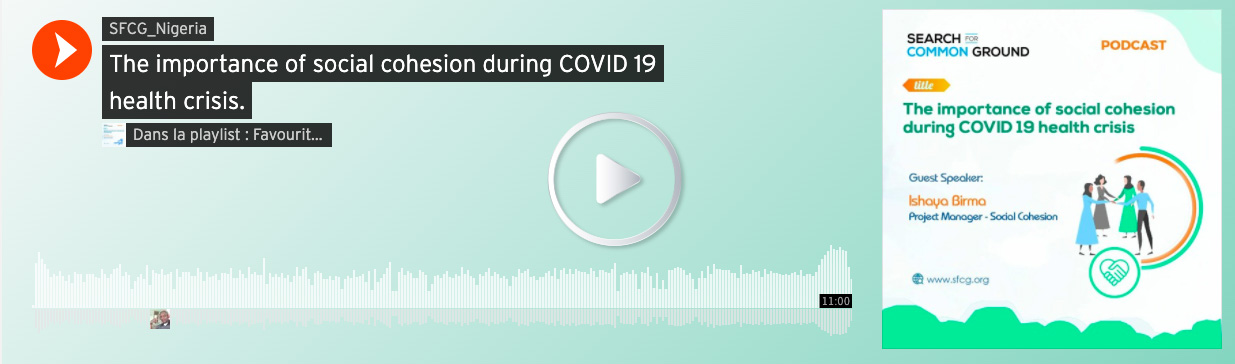
To begin, we had the opportunity to bring together a Muslim sheik and a Catholic priest to lead a Whatsapp conference to promote a unified interfaith response to the pandemic. Later, a webinar opened a dialogue on the role of the media in disseminating information and managing rumors. Several podcasts followed it on stress management in the face of the disease and the need to unite now more than ever.
We also organized a Tweeter conference for the Forum on Farmer-Herder Relations in Nigeria (FFARN), which reached a potential of 34,443 people. Intervenants discussed how to take advantage of existing early warning and early response mechanisms to manage conflicts between farmers and herders while mitigating the impact of COVID-19.
Listen to our last Podcast: Effective Policy Initiative for Peace
LIBERIA: Talking Drum Studio’s transition as a local non-profit entity.
“The messages sent by Talking Drum Studio encourage people not to give in to violence, to be tolerant, to approach grievances differently, or to resolve them in mutual respect. […] I think that is essential. This is what has allowed us to have peace for 15 consecutive years.”
— Former Liberian President Ellen Johnson Sirleaf
In 1997, after Liberia’s devastating civil war, Search established the radio production house Talking Drum Studio (TDS) with the bold goal of sowing the seeds of post-war recovery through innovative radio programming and participatory theater.
Over the past two decades, our radio programs reach around 4.5 million people, touching nearly every Liberian across the country. Even today, Talking Drum Studio is known for popularizing pidgin English in the media, positioning us as a bridge for critical information to reach millions of people.
Reflecting its commitment to building local capacity, Search is now handing over ownership to TDS as a local non-profit entity. With 20 years of experience, the team will continue to promote shared values to find solutions to the most critical issues affecting the Liberian people.
“We must join forces to continue transforming the minds and attitudes of our people [and provide] media content that goes beyond mere information.” — Denis, former combatant and TDS radio host.
Visit Talking Drum Studio’s new website
NIGER: Raising young people as actors for peace in the most conflict-ridden areas.
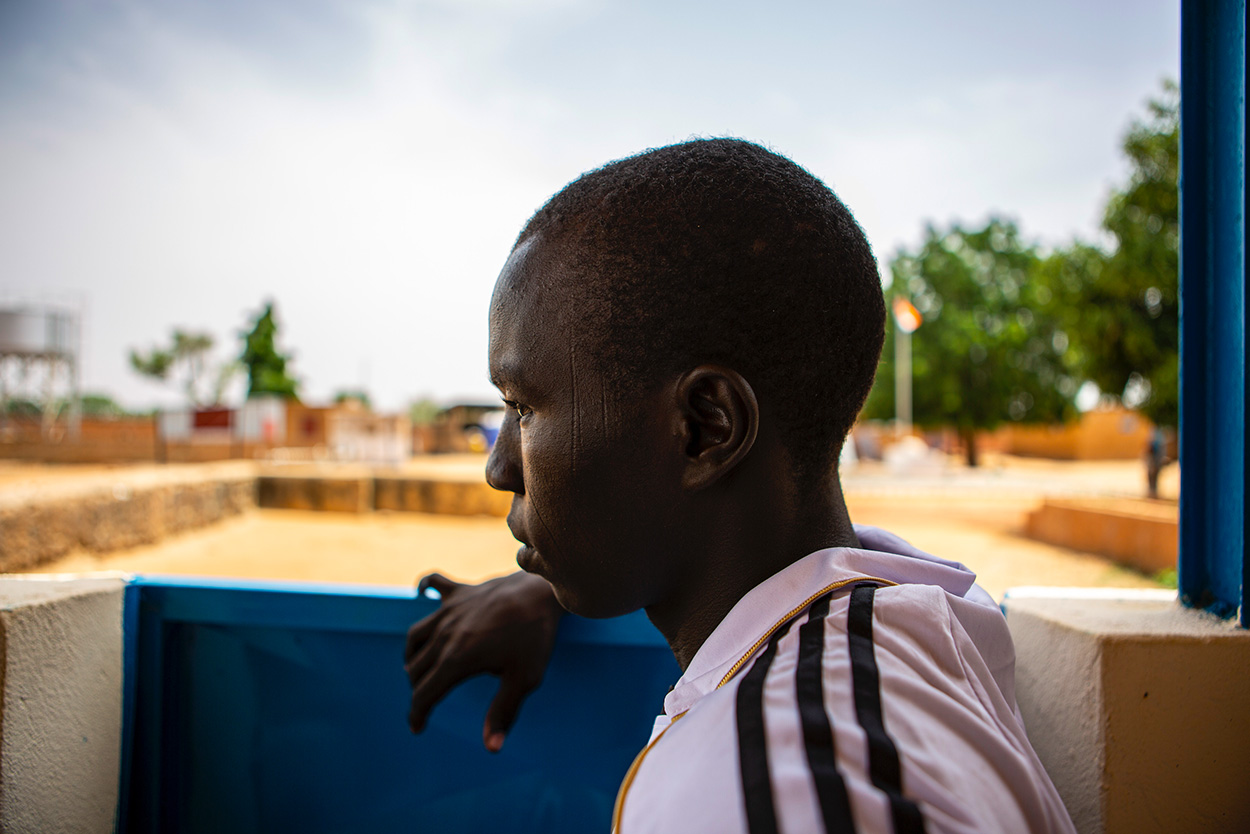
What a busy month! Niger launched two new projects with youth in the spotlight.
We believe that young people are the driving force behind lasting peace. In Tillaberi, our USAID-funded “On est Ensemble”(We are Together) project aims to give them the means to develop this power to the fullest. For two years, young people from different groups in conflict will work to create a climate of trust and collaboration within their communities. Their joint efforts also aim to change adults’ perceptions of their role as peacemakers and thus increase their inclusion in stabilization and peace-building processes.
To this end, Search will support them in implementing inter-community initiatives such as sports, arts, market days, and music festivals. To make the voices of these young people heard louder and further, they will also facilitate a weekly radio magazine. On-air, the youth will share their experiences and opinions, which they will further develop by soliciting feedback from communities on solutions for peaceful coexistence. Finally, the project will culminate in a regional Ted Talk-style competition, where they will have the opportunity to showcase examples of successful and inspiring youth-led initiatives.
Our EU-funded “Insider Mediator” project, implemented in partnership with the Haute Autorité à la Consolidation de la Paix (High Authority for Peacebuilding – HACP) in Niger, the Berghof Foundation in Zimbabwe and Interpeace in Burundi, will further support these security stabilization efforts. In the regions of Tillaberi and Diffa, our teams will build local mediators’ capacity, especially youth and women, to maximize their potential, including through training in mediation, negotiation, and facilitation. They will also have the opportunity to link up with high-level and other local mediators from all countries and regions to create a sustainable and robust network for peace.
GUINEA: Religion in the service of unity in a time of pandemic.
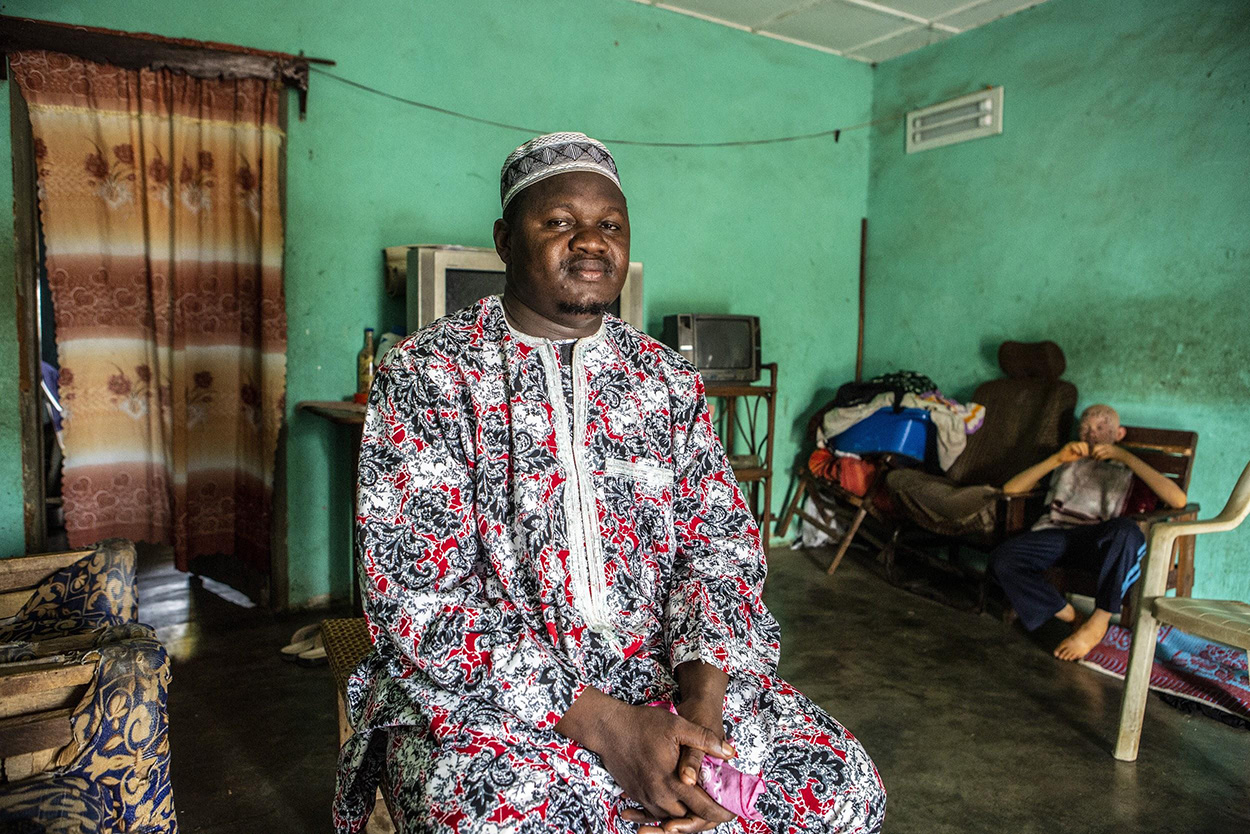
A pandemic developing in an already tense post-election climate creates a breeding ground for rumors and increases the risk of escalating violence.
To address this issue, Search reached out to its well-established network of religious leaders to harness their influence for the common good. Two weeks ago, priests and imams gathered to brainstorm and formulate messages that respond to the pandemic’s challenges. Their discussions focused on issues such as disrespect for barrier measures, stigmatization of the sick and healed, the spread of rumors, domestic violence, and the aggravation of inter-community conflicts.
At the end of the meeting, the religious leaders pledged to actively engage with their respective constituencies in their places of worship, neighborhoods, on social networks, and through radio and television programs.
NIGERIA: Radio listenership survey shows more significant interaction between citizens and politicians.
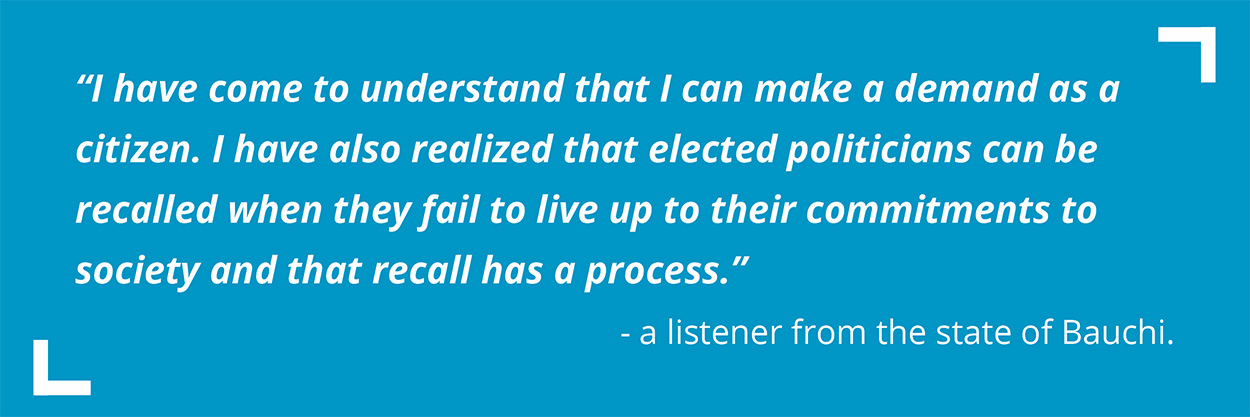
In Nigeria, our listenership survey reiterates our belief that radio is a powerful and reliable tool for positive change. Indeed, it has played a crucial role in the success of our “Consortium for Elections and Political Process Strengthening (CEPPS)”project.
For one year, our radio programs informed citizens in Sokoto, Adamawa, Ebonyi, and the Bauchi States about political issues and party programs. Our survey enabled us to establish that 65 percent of listeners found these programs relevant, raising key issues such as accountability in service delivery.
Also, our live broadcasts provided a new space for people, particularly for women, to share their opinions directly with policymakers. Listeners expressed a preference for this interactive format aimed at bridging the gap between citizen and government. In turn, it also encouraged candidates to respond to citizens’ concerns while ensuring greater transparency.
Finally, 86 percent of listeners were inspired to speak with people from other parties, religions, and cultures, paving the way for higher tolerance.
Read: Radio Listenership Survey
BURKINA FASO: What better than radio to encourage communities and security forces to work together for peace?
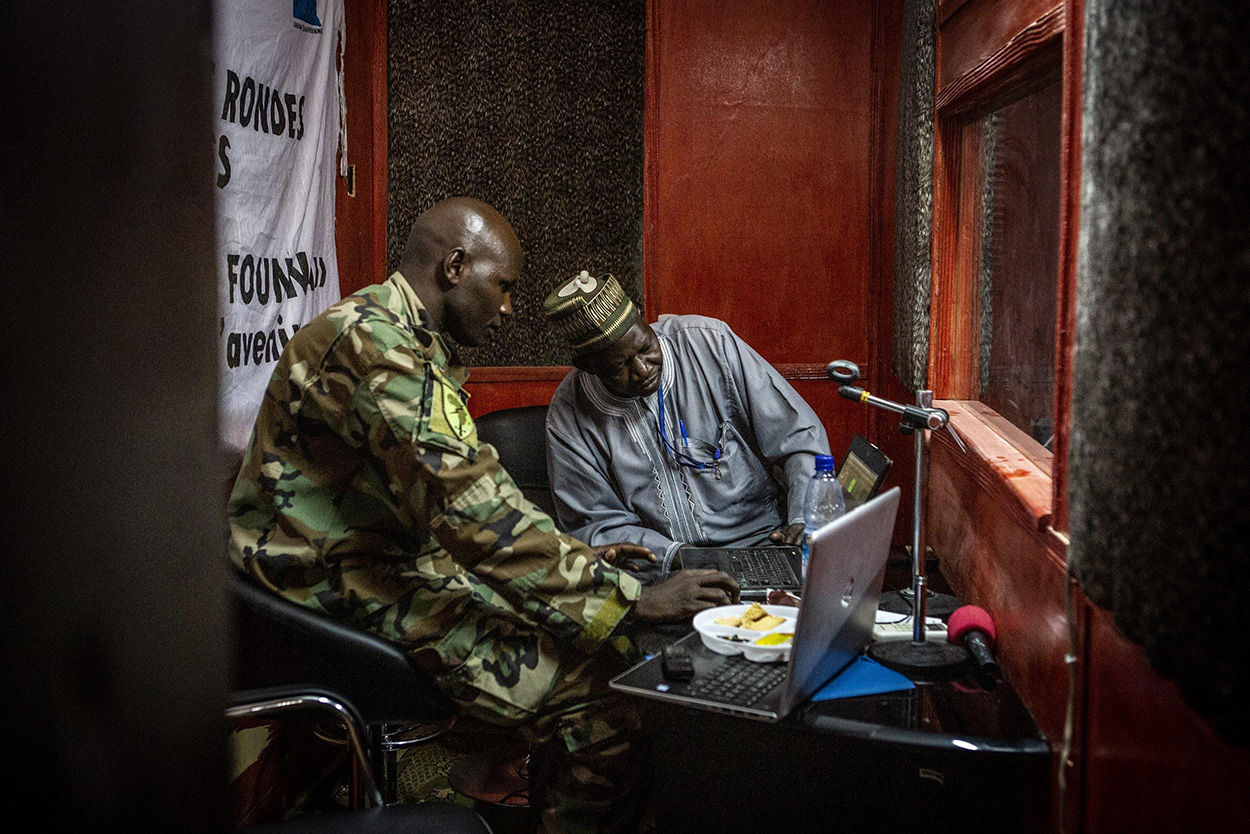
Our exciting peacebuilding adventure in Burkina Faso is well underway. In the northern border region, 25 members of the local media, State structures, and security and defense forces (SDF) have come together to promote security and stabilization fully.
Within the framework of our project, “Strengthening Collaboration and Cooperation between SDF and Communities in the Liptako-Gourma Region,” our participants were able to address all the intricacies of conflict-sensitive journalism. With funding from the Danish Ministry of Foreign Affairs, this project brings together key actors in Mali, Niger, and Burkina Faso to address the growing insecurity in this border region.
During a three-day training session, Search gave them the tools they needed to provide crucial information to the population while taking into account the context’s fragility. To conclude the workshop, our participants had the opportunity to create radio programs that encourage collaboration and a culture of peace in their communities.
SIERRA LEONE: Citizens at the heart of governance.
This month we were pleased to launch our USAID-funded Electoral Dialogue Series project for the second time. This project, which has been implemented since 2018 in partnership with the International Republican Institute (IRI), the National Democratic Institute (NDI) and Internews, has just been extended for another 18 months.
This prolongation allows us to build on our achievements to continue to strengthen the participation of citizens, particularly women, youth, and marginalized groups, in a constructive political agenda. We thus renew our commitment to fostering an issue-based dialogue by strengthening the capacity of civil society and the media, and by enhancing the ability of local government officials to carry out their role effectively.
To this end, Search will organize training and dialogue sessions with deputies, new councilors, and elected officials to strengthen their understanding and collaboration around effective decentralization. Also, we will support civil society organizations led by youth and women in town hall meetings implementation. By providing a platform for communities to express their needs and concerns, these meetings will help define specific action points and strengthen the collaboration between citizens, local authorities, elected officials and members of parliament.
To further extend our reach, our radio magazine “Accountability Now,” dedicated to governance issues, will be broadcast by our 35 partner radio stations. Across the country, young people, women, people with disabilities, authorities, service providers, and traditional leaders will be on an equal footing to make their voices heard.